Global Gender Gap Report Warns of Stalled Progress in Corporate Power
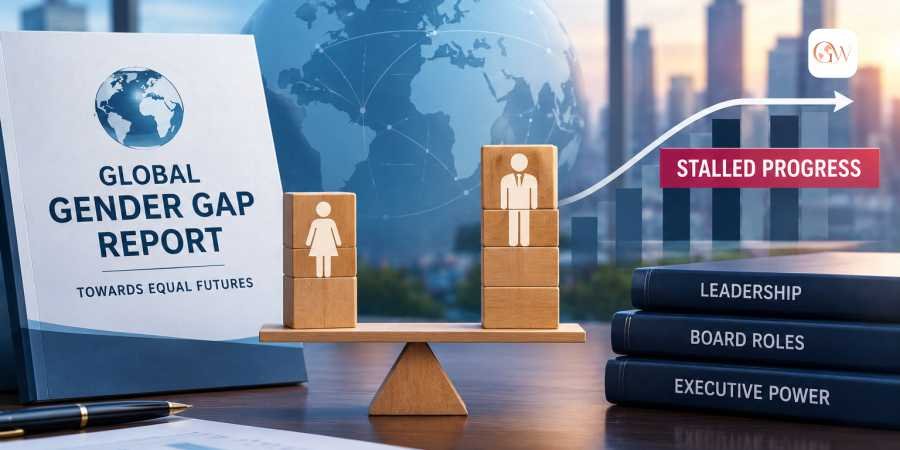
Despite women gaining considerable progress in education and participation in the labour market, there is no visible change in their representation in senior corporate positions. The findings of a recent worldwide study conducted by the World Economic Forum show that companies need to do more in order to transform progress in the workplace into real executive power.
According to the Global Gender Gap Report 2026, which covered 145 countries, the world’s gender gap was 69.2% closed. Nevertheless, according to the estimates of the report, it would take another 120 years to achieve gender parity if such pace was maintained. With regard to business, women were occupying about 19.1% of CEO positions. This figure underlines the persistent gap between workforce participation and executive power.
According to the data provided in the report from LinkedIn’s Economic Graph research, the difference in representation becomes obvious at various stages of a career. Women occupy 46% of entry-level jobs in the examined countries; however, this figure is only 23% at the C-suite level. Representation in top management has remained largely stable since 2023, despite growth in the past ten years.
The statistics illustrate a problem that mere recruitment cannot address. Firms can recruit women into their organization without establishing a conducive environment that will help them advance to managerial levels. High visibility, exposure to commercial activities, sponsorship, and succession planning can determine which employee makes it to the top.
The issue of technology economy is yet another problem that firms need to be aware of. Women continue to lag behind men in terms of AI positions and leadership roles despite the impact of artificial intelligence on firms’ strategy, productivity, and investments. Failure to recruit future leaders from the whole workforce pool will deprive firms of skills during a time of fast economic change.
The way out of these problems is to review promotion and retention statistics, make clear leadership criteria, and offer top performers an opportunity to manage budget, key customers, and strategic projects. The mentoring of such employees and active sponsorship can make sure their success gets evaluated when vacancies open up.
Career flexibility is another important factor. Career breaks taken by employees must be considered when deciding on whether they should be provided with an equal opportunity to get back into the race and advance within the organisation. Performance must be evaluated without letting stereotypes about career breaks affect promotion.
The findings of the report demonstrate that there is one more question that is worth addressing in connection with diversity in leadership: it is about the opportunity systems that make leadership diverse.